















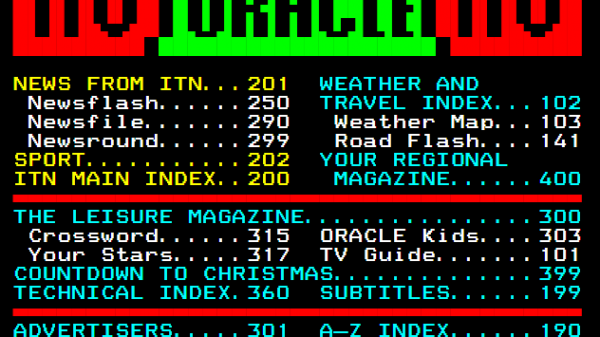






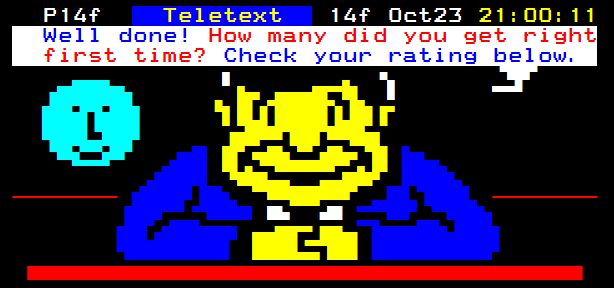

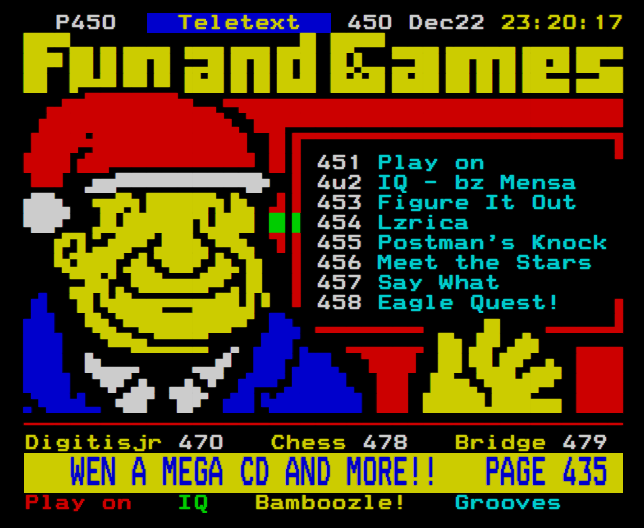
Teletext Ltd superseded ORACLE at the end of 1992, taking charge of the services on Channels 3 and 4 at the very start of 1993.
Still essentially running on 1970s technology, teletext would grow into a commercial tour de force in the 1990s, in the words of Teletext Ltd Editor Graham Lovelace, developing into a “cash cow” by the decade’s end.
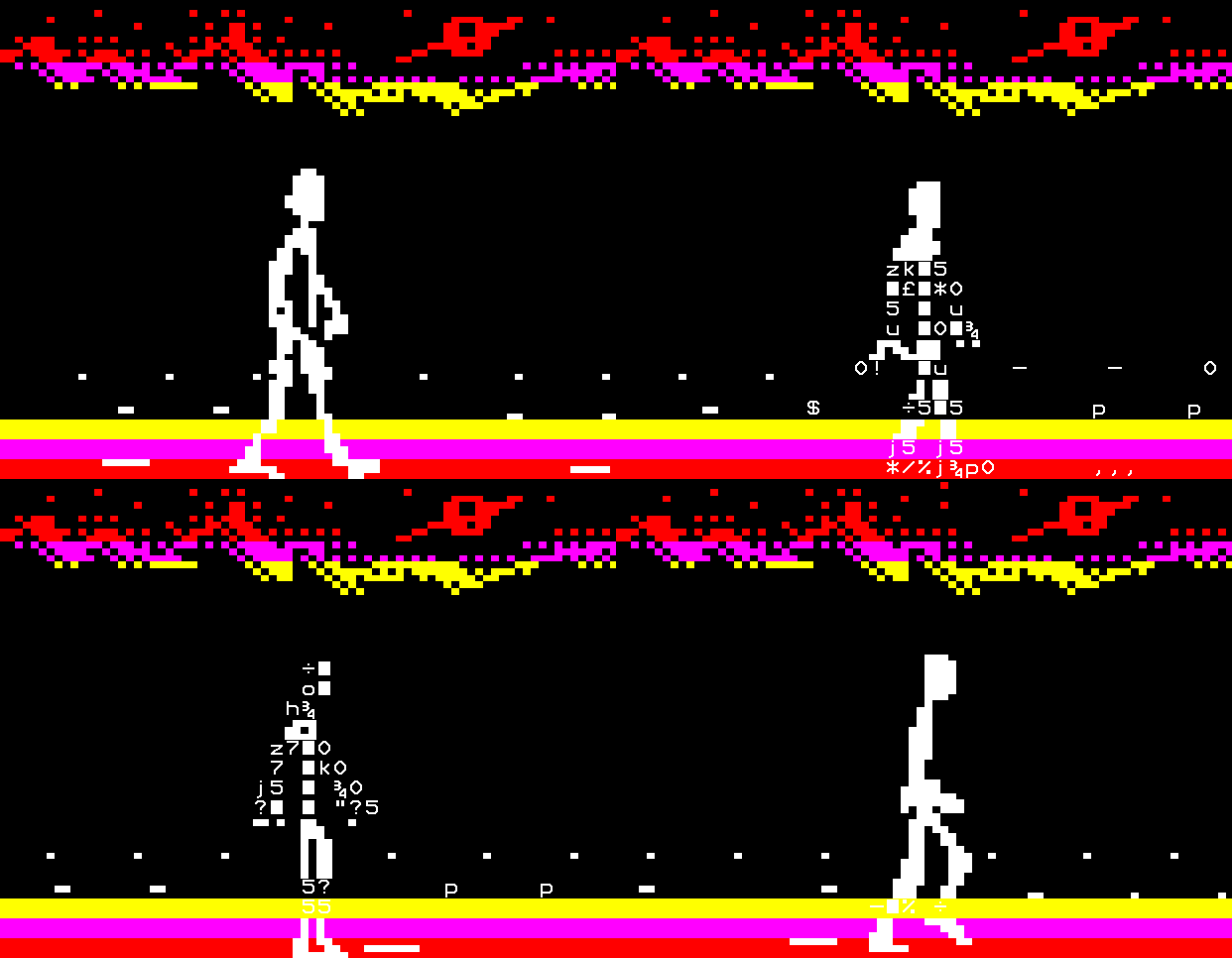
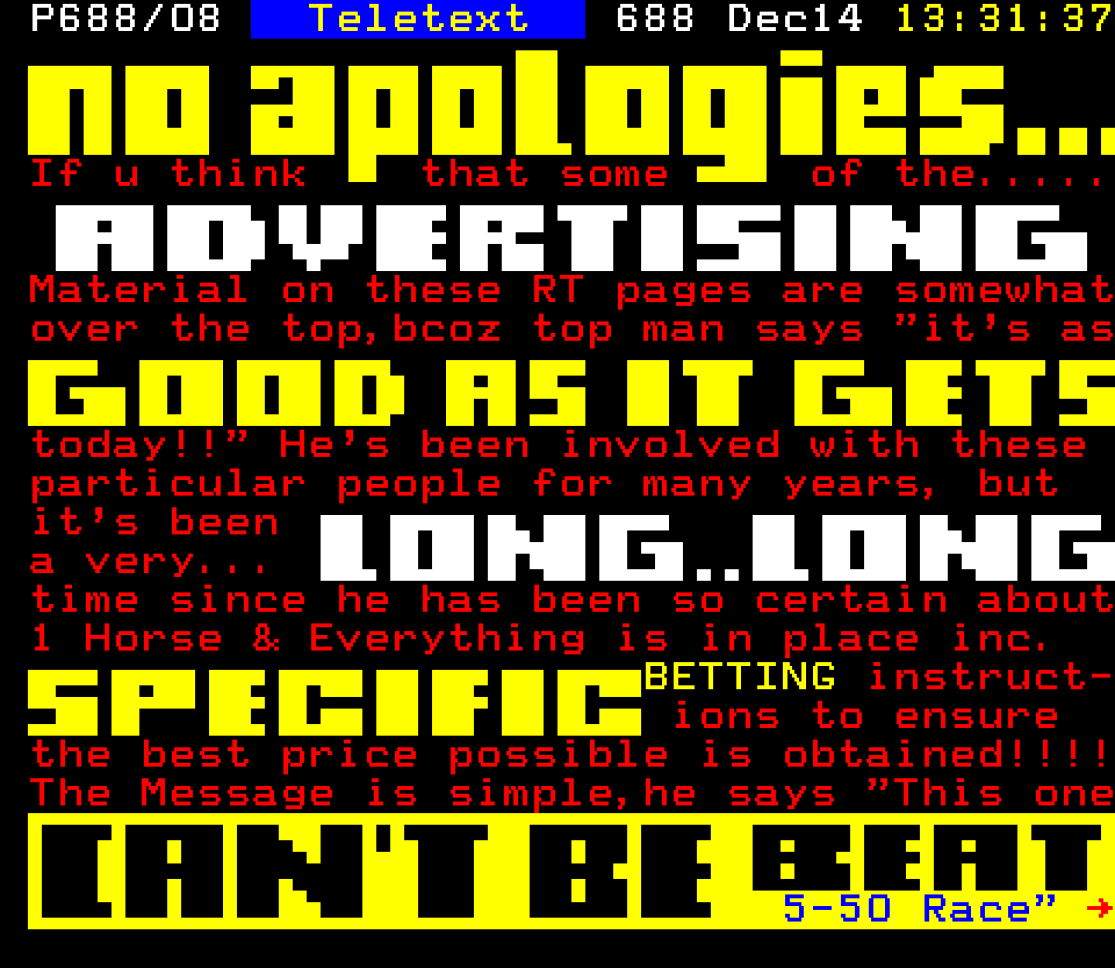
A part of the Teletext service with particularly busy pages was the racing section, comprising distinctive advertisements with lots of text, rendered both in pixel graphics and text mode with a variety of colours (sometimes even clashing) to grab viewers’ attention. These would often be seen in bookmakers’ shops, adorning the array of televisions providing punters with up-to-the minute information.
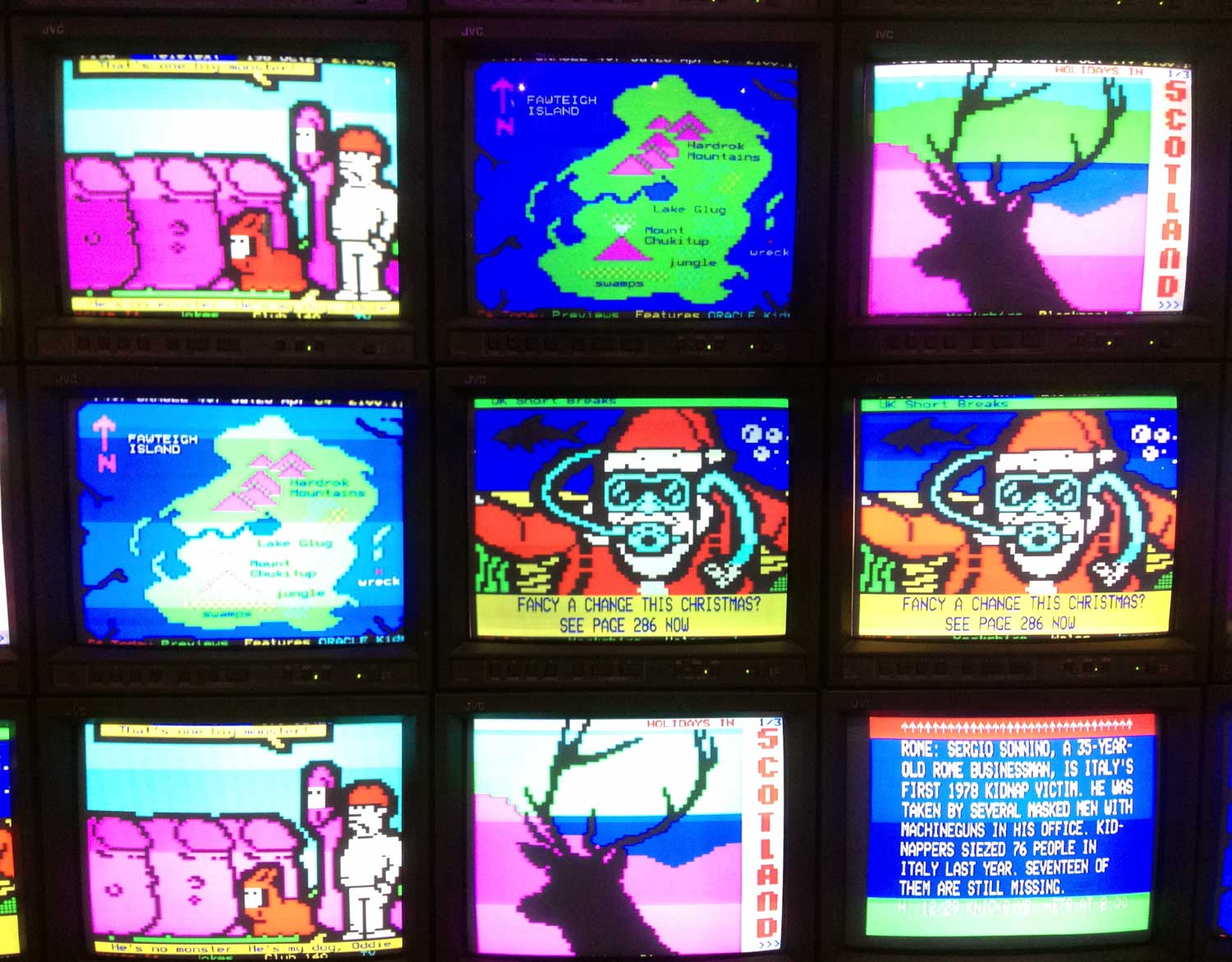
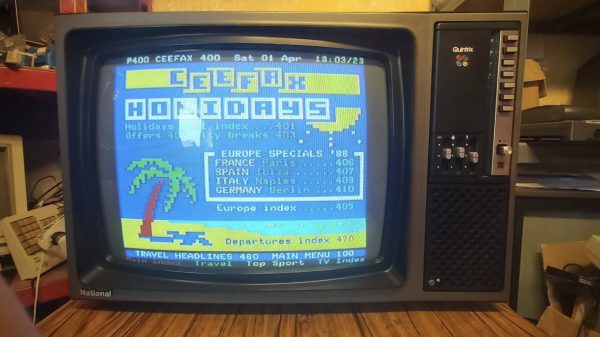
However, while many other types of advertising were carried on the service, most commercial pages were dedicated to holidays. Teletext Holidays would become a well-established section, and teletext itself a medium associated with bargain, last-minute package holiday deals.
Whilst at Teletext, designers did not work to a manual of style, and it was left up to the individual employee to decide on colour combinations and other design decisions. Sara Scott-Rivers, main designer in Teletext’s Sales and Marketing department, once received a message in her in-tray from a salesperson asking her to design a page for Orange telephones:
“Somebody signed an advert to Orange phones, and I said to him, “what colour would you like me to use on this, then?” And there was silence, because there isn’t any orange. So I think we went black and white on that one … How he sold them the ad, I have no idea, but good on him, you know. That’s amazing.”
–Sara Scott-Rivers
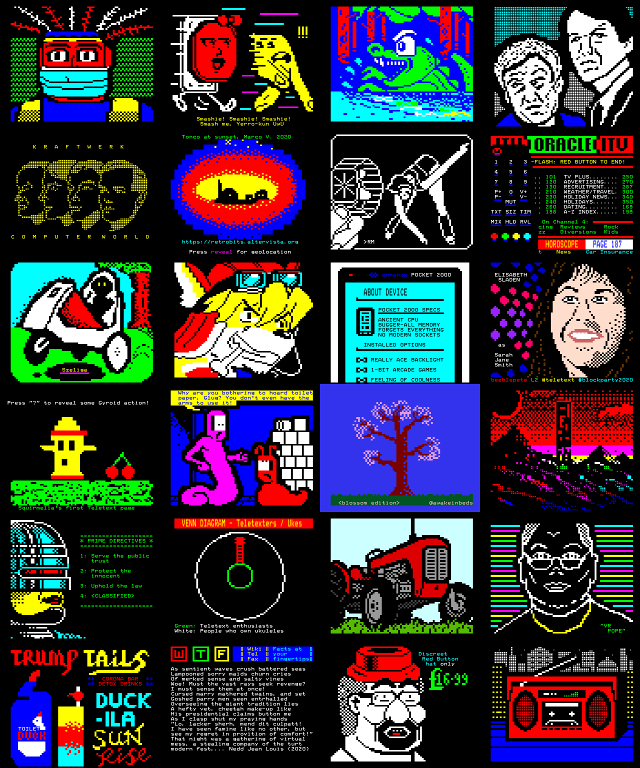
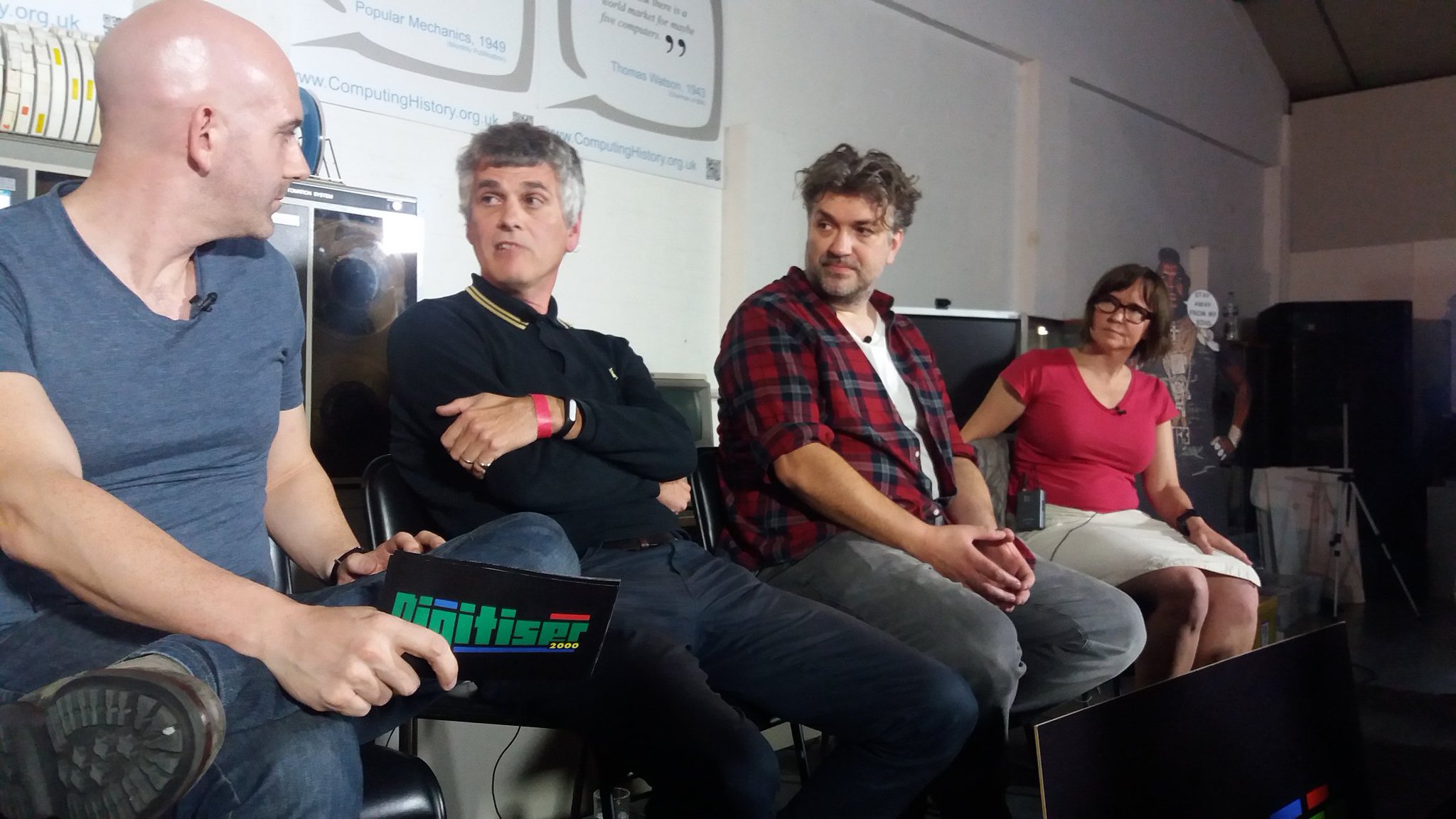
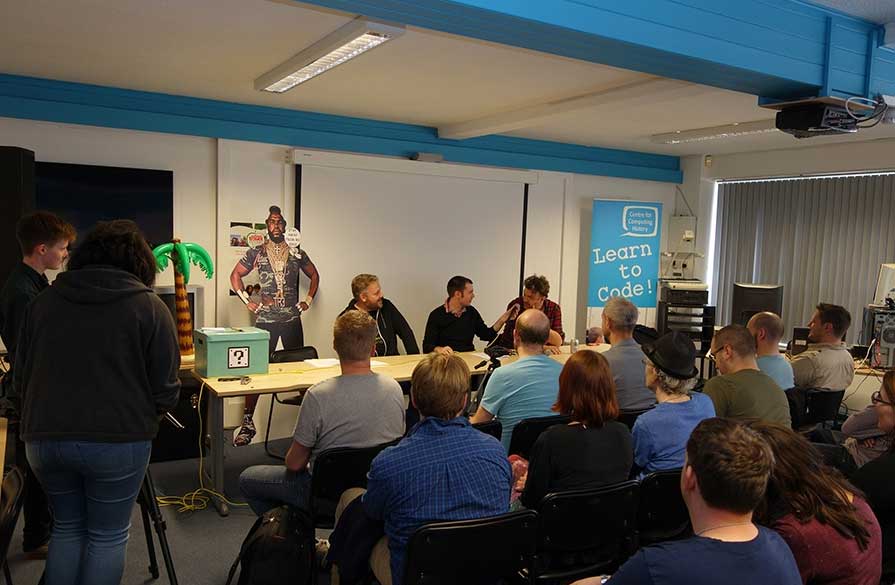
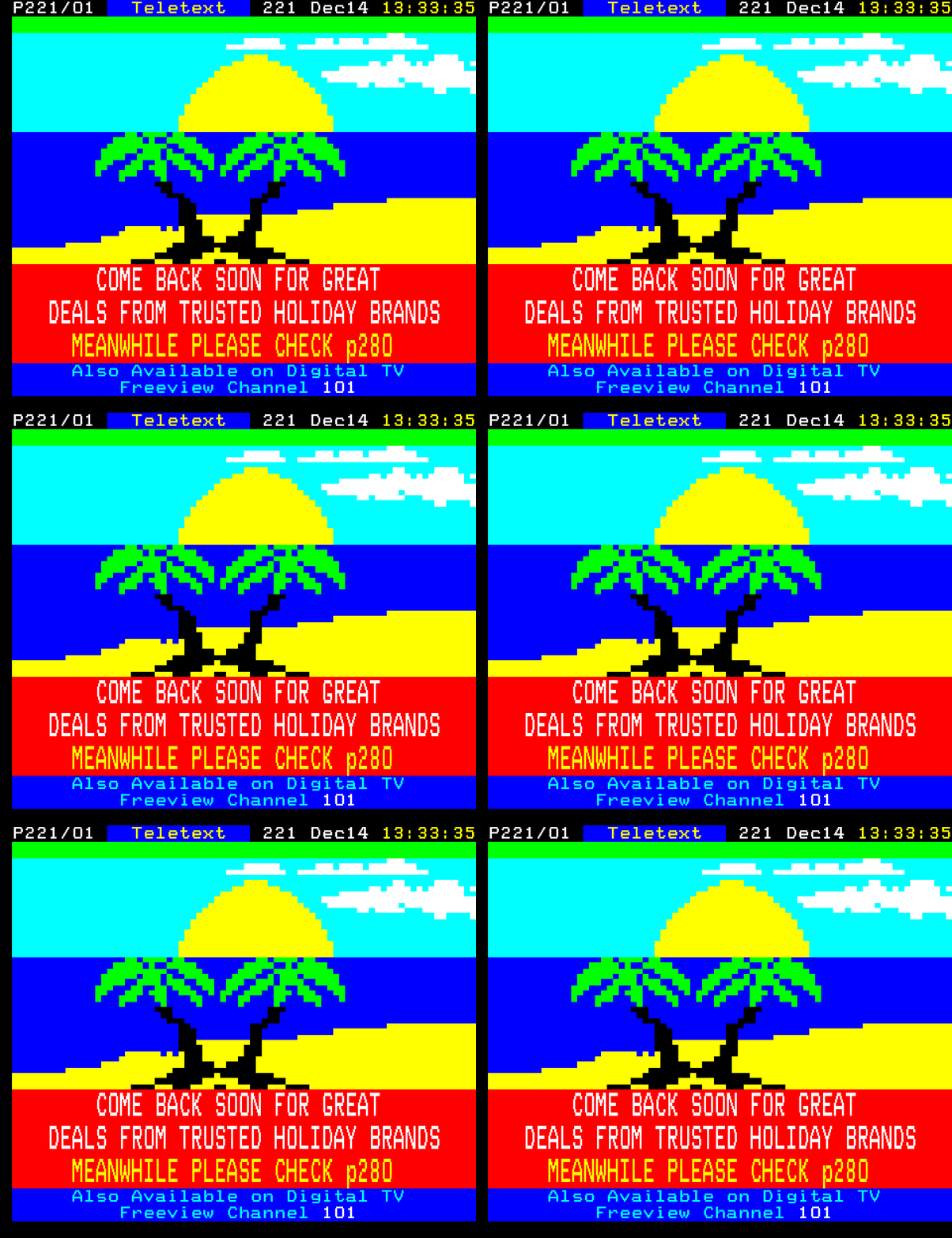
Teletext Graphic Designer Steve Horsley recollects that there was also a library of teletext graphics, most of which created by Paul Rose and Scott-Rivers, that he would often borrow from. Working in the marketing department, he would mainly draw “palm trees, sunsets and aeroplanes taking off and landing.” He states that it quickly became quite repetitive and “soul destroying” to do the same types of drawing every day, with every client wanting their own version of the same palm tree that was unique to them.
According to Horsley, Teletext became a “licence to print money,” with large amounts being made from advertising. A lot of companies were updating their pages 24/7, and he had to change the prices when they would fax them through at “2:00, 3:00 in the morning.”
As seen in the image below, Teletext never sold holidays directly, with advertisers using the medium to promote their own offers.

Sources
- Best Practice: Tracking Customers at Teletext, T Cheyne, 1 January 2003
- Teletext People: Sara Scott-Rivers, Byte High No Limit, uploaded 20 January 2023
- Teletext Fest 2016 – Artists Panel with Paul Rose and Steve Horsley, teletextart.co.uk, 9 October 2016
- Presentation: A Guide to Teletext Art w/guest Steve Horsley (Blockdown Party, April 2020), uploaded by Dan Farrimond, 19 February 2026
- Teletext People: Graham Lovelace, Byte High No Limit, 12 November 2022








Recent Comments