
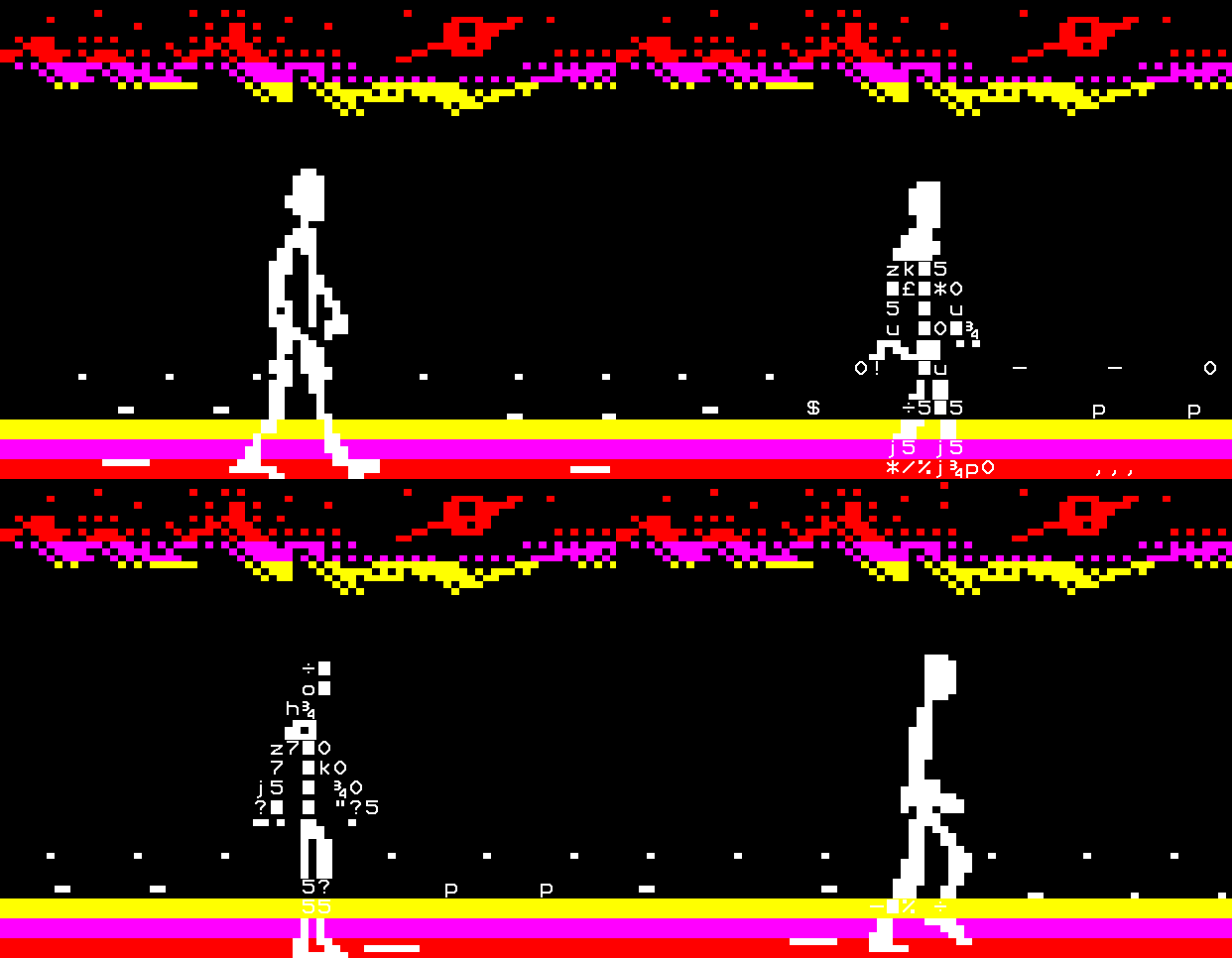


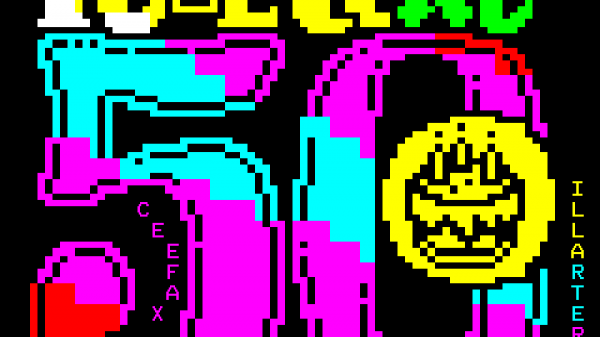
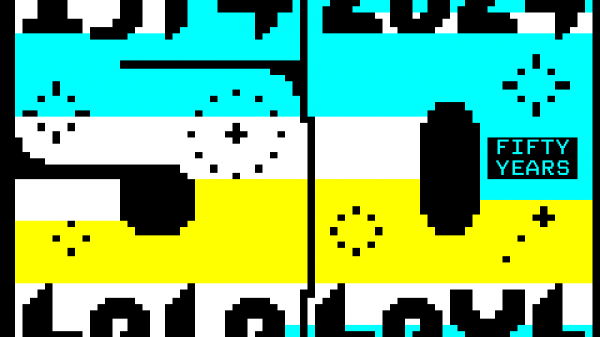
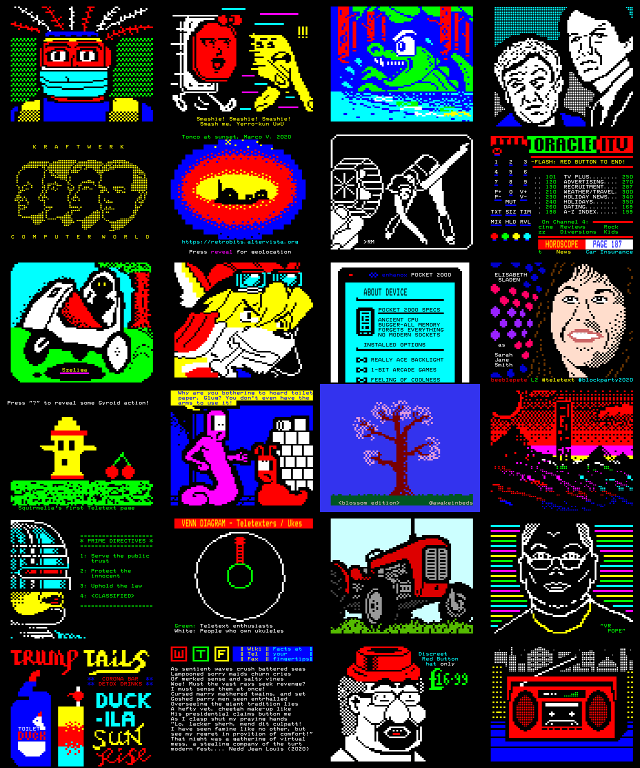
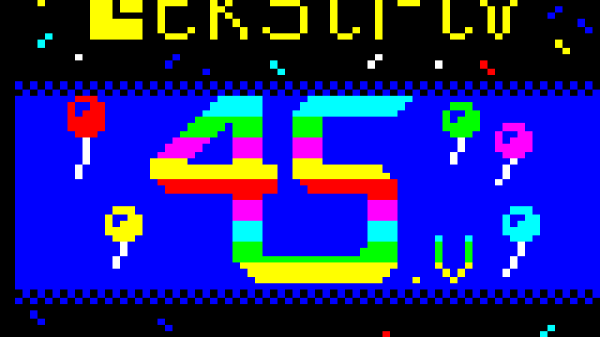
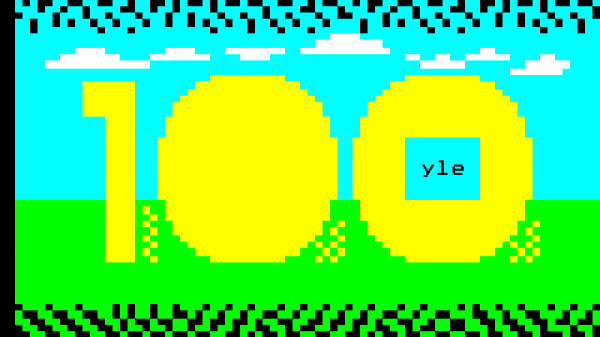
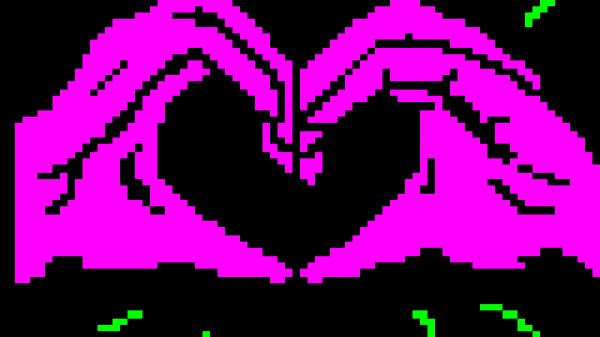
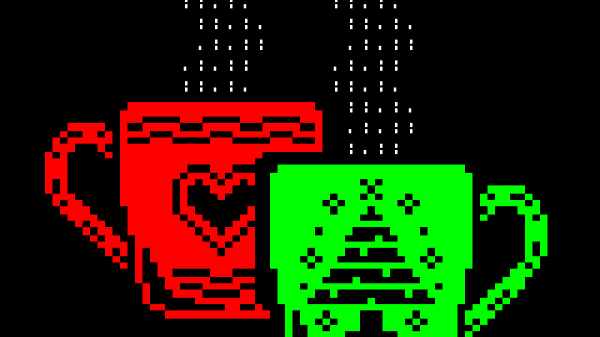
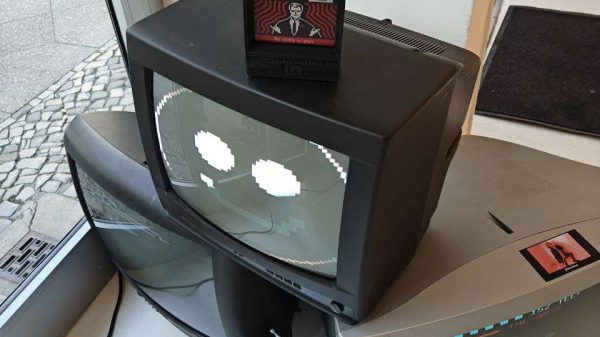
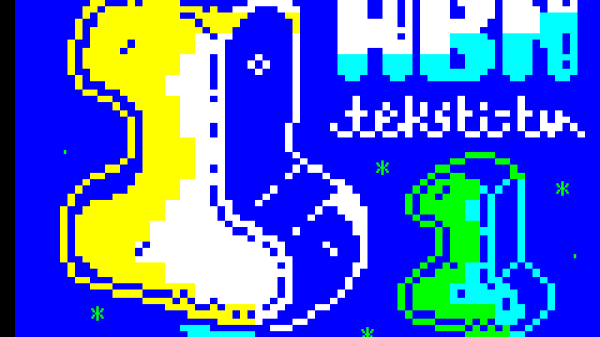
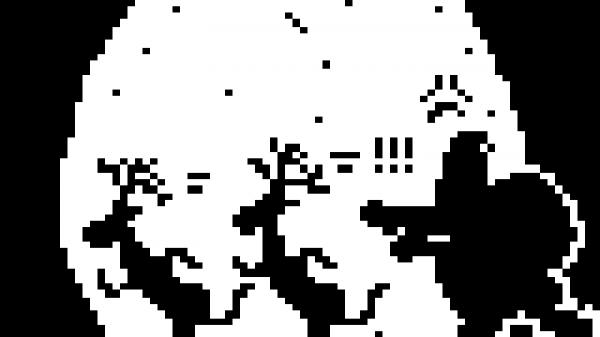
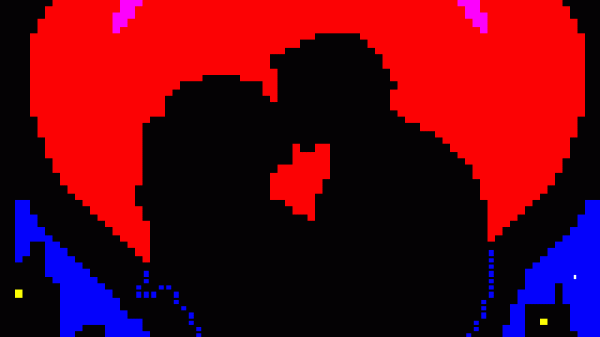
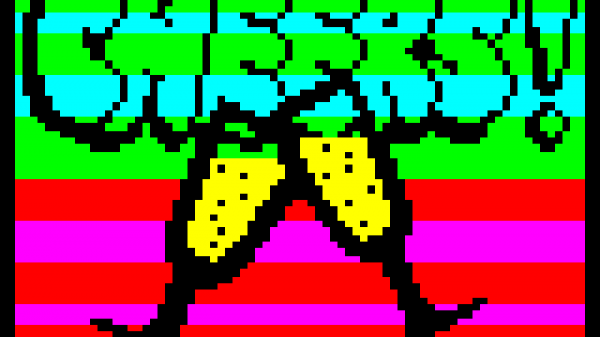
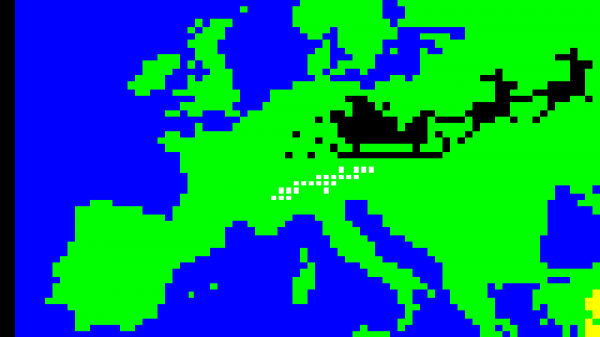
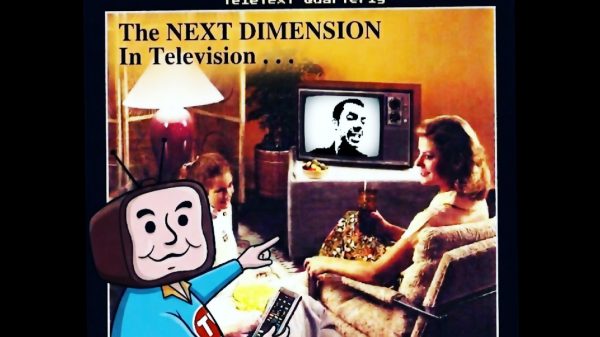
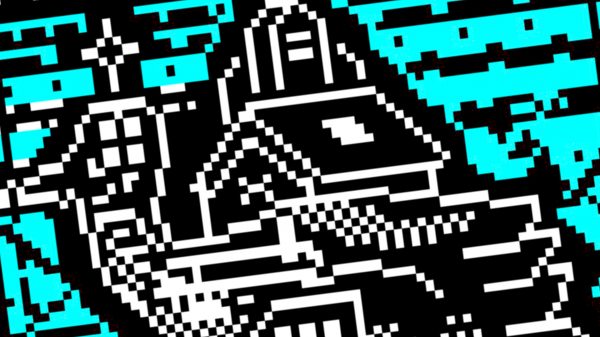
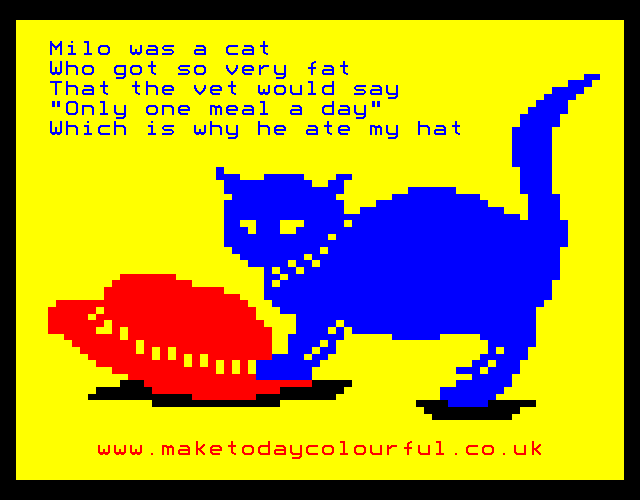
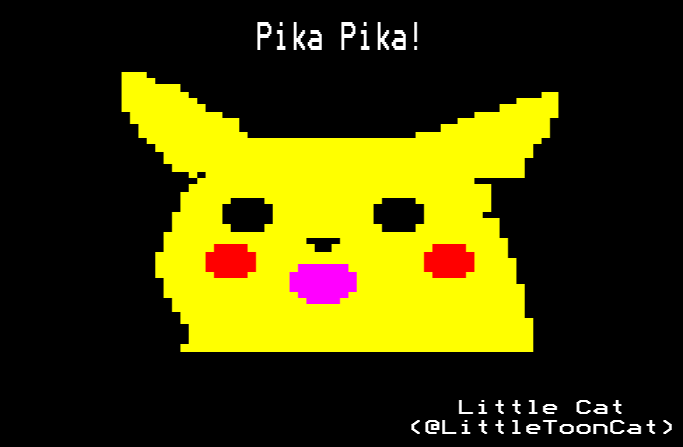
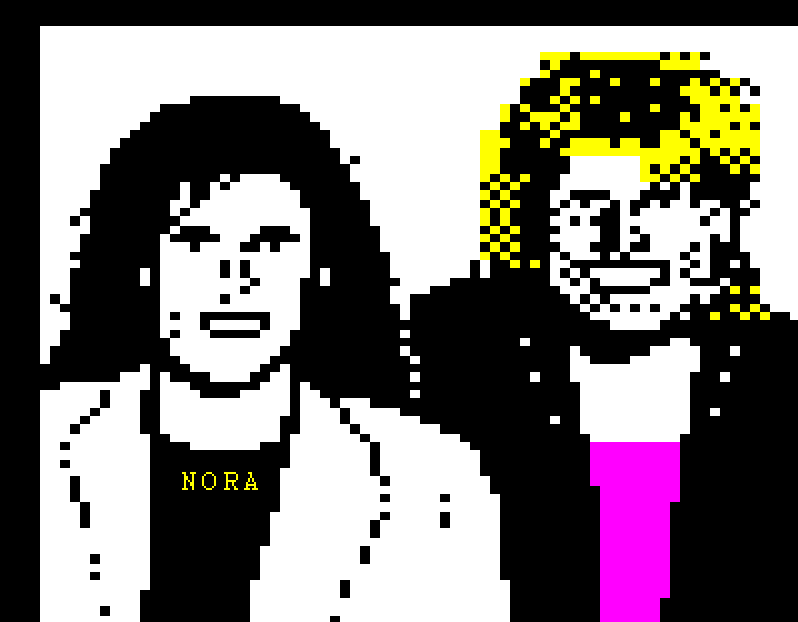
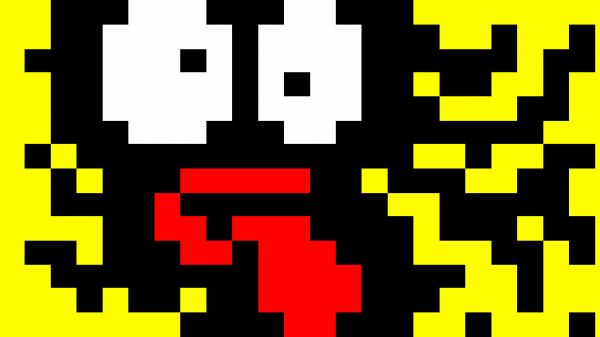
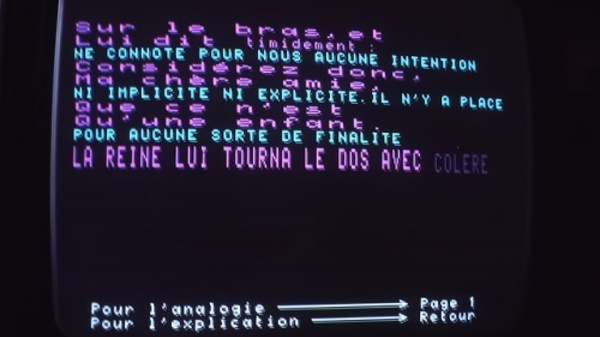
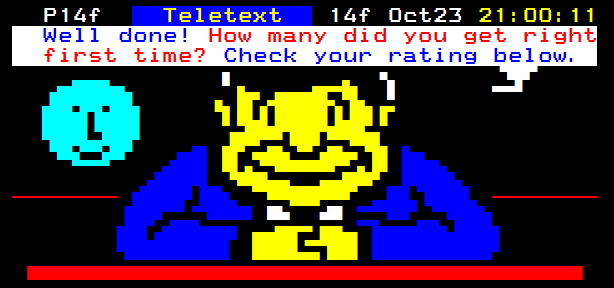
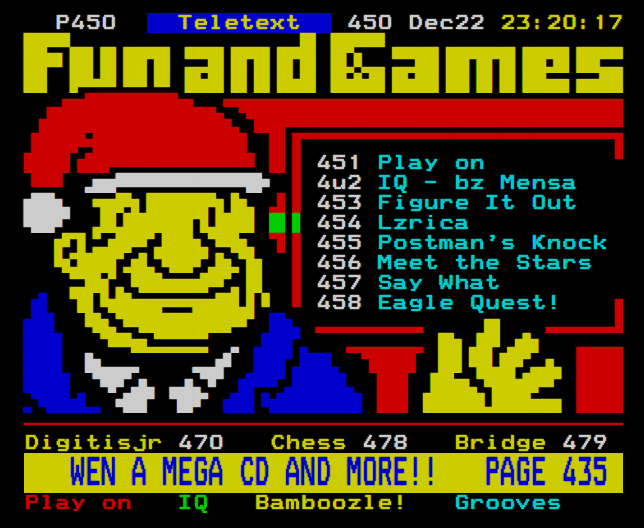

The first non-invitational “open call” teletext art exhibition was Microtel, broadcast on NOS Teletekst in the Netherlands from January to March 2006. It was presented as part of the 35th International Film Festival Rotterdam in the exhibition Satellite of Love, and shown at the Witte de With Center for Contemporary Art and TENT.
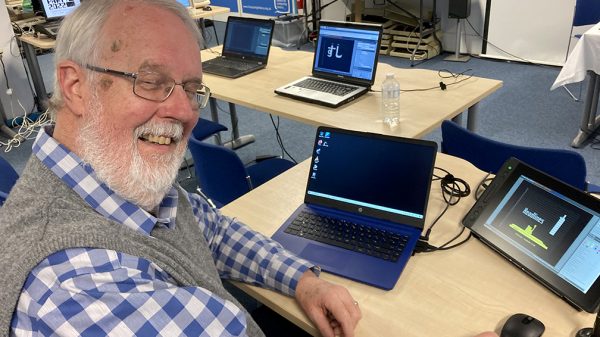
Artist duo Lektrolab, consisting of Paul B Davis and his partner Emma Davidson, invited the public to create teletext artworks to be screened on NOS, holding a number of workshops at the “VBI Lounge”.
According to Davis, the wider exhibition was about exploring the “renewed potential of television”, and the organisers said they could choose whatever subject they wanted, as long as it had “something to do with TV” and “did it in a unique way”.
Remembering that he had been shown teletext by Dragan Espenschied during a 2001 trip to Europe, he decided to do something with the format. However, he began to learn that teletext “wasn’t a particularly open format” in 2006, with expensive commercial software affordable only to TV stations.
“So I suppose the artistic intention behind this potential work became not like could we make a specific thing but well, how might we unlock teletext for anyone to make something, because right now, anyone can’t.”
–Paul B Davis, Lektrolab
Davis discovered Cebra Text on the web which, although not open source, was the “only freely available” teletext editing software he could find. The project plan now set, he prepared a tutorial and put it online together with the editor, then made an open call. People would submit their works and he converted them to be broadcast on NOS.
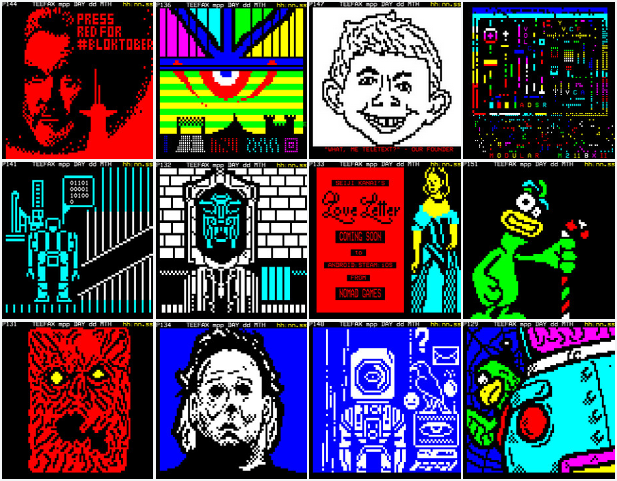
NOS gave Lektrolab “five or six” pages to use, two of which dedicated to user submissions, and the artworks rotated on a regular basis. Additionally, Davis and Davidson had their own page on the service to demonstrate the art they had created.
Gallery
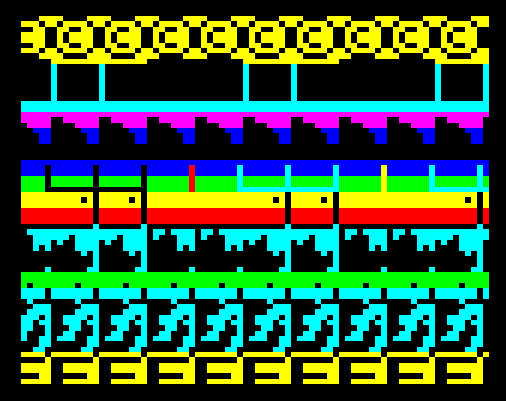
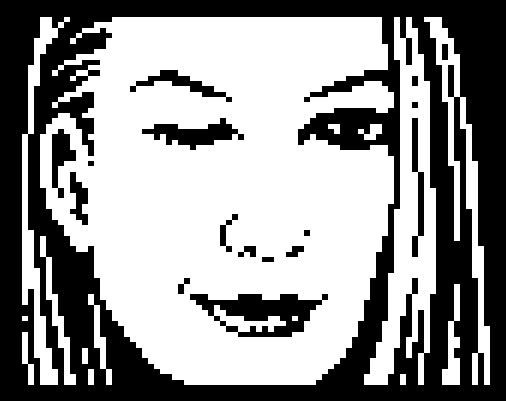
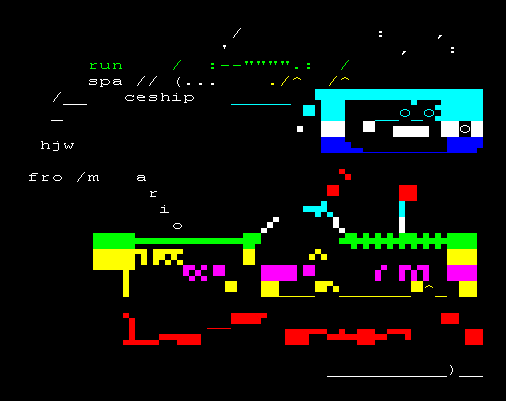
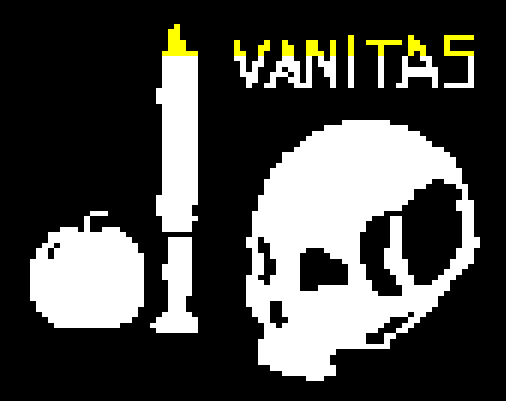
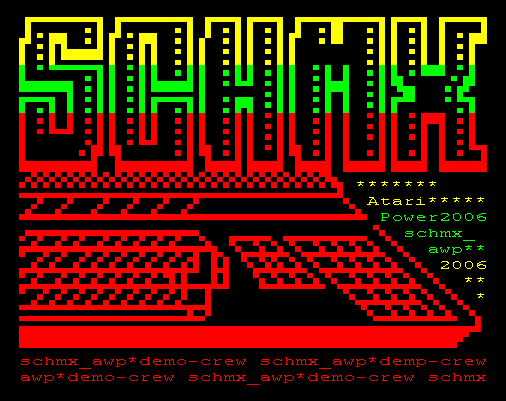
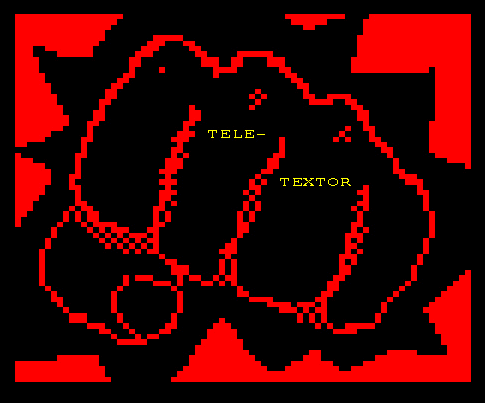
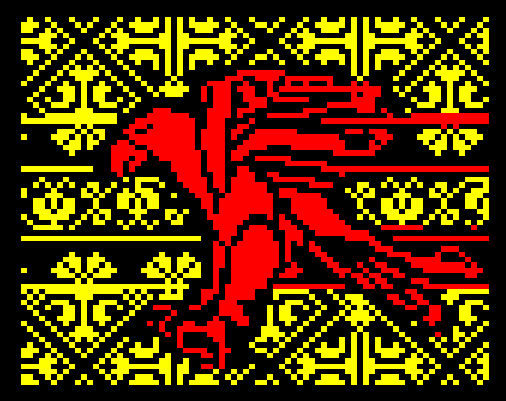
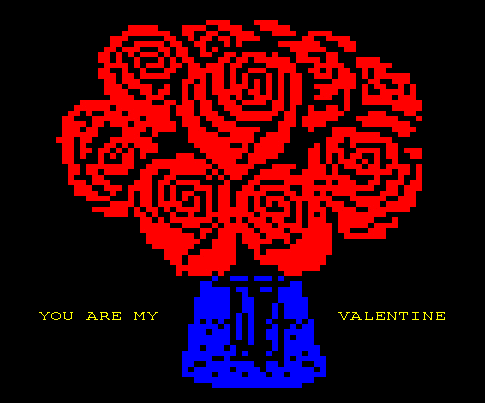
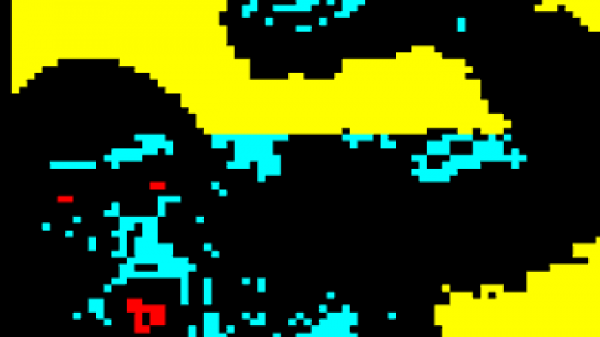
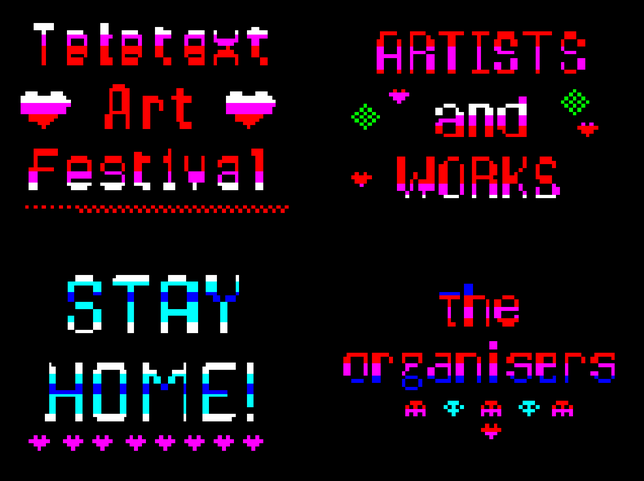
The gallery exhibition ran for just over two weeks and proved very popular, as Lektrolab received “more material than [they] had time to broadcast” – over 200 pages, and they continued to receive submissions even after the project ended.
About half of the contributors were people who Davis knew of or about through “music or chiptunes and net.art stuff”, with the other half being the general public through the Lektrolab workshops or those who found out about it otherwise. Dragan Espenschied fell into the aforementioned category, while kittenrock, 8bitpeoples and Cory Arcangel also contributed.
All artworks licensed under Creative Commons Attribution/Non-Commercial/NoDerivs







Sources
- The Creative Legacy of Teletext, Craig Oldham, WePresent, 11 November 2019
- Teletext People: Paul B Davis, Byte High No Limit, uploaded 21 April 2023
- VBI Microtel, lektrolab.com, accessed 7 March 2026



Recent Comments